


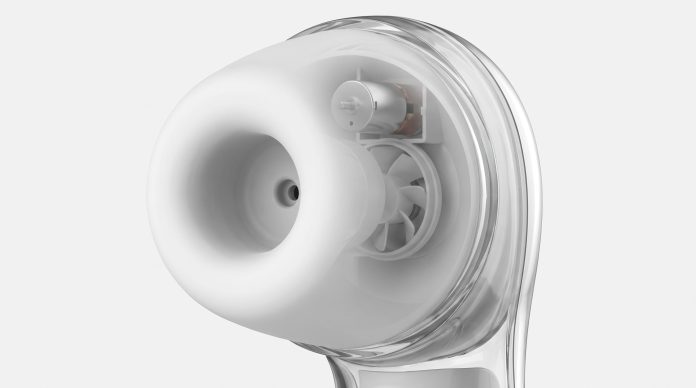
The Lovehoney Group has announced the resolution of multiple patent disputes with U.S. manufacturers Maia Toys, CalExotics and Doc Johnson Enterprises. The cases centered on products that Lovehoney believed infringed its intellectual-property rights. All settlements were reached without litigation.
The international intimacy-wellness company, whose portfolio includes the Womanizer brand and its patented Pleasure Air technology, stated that the disputes were resolved through out-of-court agreements. Under the terms, Maia Toys, CalExotics and Doc Johnson each agreed to withdraw the affected products from the market. Lovehoney indicated the solutions were tailored to the specific circumstances of each case.
The company reaffirmed its commitment to enforcing its intellectual-property rights on a case-by-case basis. Specific patent numbers, financial details of the settlements and the exact names of the discontinued products were not disclosed.
Background: Pleasure Air and the Fight for Innovation Protection
The Lovehoney Group is recognized as one of the largest players in the global sexual-wellness market. In particular, the Womanizer products featuring non-contact air-pulse technology (Pleasure Air Technology) have significantly influenced the category in recent years. The technology uses targeted airwaves and pressure changes to deliver stimulation distinct from traditional vibrators, positioning it as an industry innovation.
Over the past several years, Lovehoney (through subsidiary WOW Tech) has pursued competitors offering comparable suction or air-pulse technologies. In June 2026 the company settled a patent action against XR Brands out of court; XR Brands became a licensee and continues to pay royalties. Similar proceedings and settlements have also occurred in other markets, including Canada.
The current settlements with Maia Toys, CalExotics and Doc Johnson align with this ongoing strategy. All three companies are established North American novelty-market participants with extensive product portfolios. Their decision to discontinue the disputed items is viewed by industry observers as a clear signal that Lovehoney is actively defending its patent protections.
Implications for the Market
The sexual-wellness sector has grown rapidly while becoming more technologically sophisticated. Innovations such as app control, smart sensors and non-contact stimulation are now key competitive differentiators. At the same time, patent disputes have increased as more manufacturers introduce similar technical solutions.
For retailers and consumers, the development means certain products will no longer be available. Lovehoney has not identified the exact models affected. It also remains unclear whether the three manufacturers will seek licenses for Pleasure Air technology or develop their own technically distinct alternatives.
Industry insiders note the case underscores the growing importance of a strong patent portfolio in this segment. Lovehoney positions itself as an innovator that protects its developments, preferring negotiated resolutions over litigation where possible. Out-of-court settlements save time and costs while avoiding public disputes.
Outlook
Lovehoney did not indicate whether additional manufacturers may face similar actions. The company stated only that potential conflicts will continue to be evaluated individually. The market message is clear: rights surrounding Pleasure Air technology are being actively enforced.
The Lovehoney Group is simultaneously expanding its product range and international licensing partnerships. Whether and to what extent Maia Toys, CalExotics and Doc Johnson will re-enter the market with their own innovations or licensed technologies remains to be seen.